
Recent Work and an Exciting New Project
Plus recommended reading

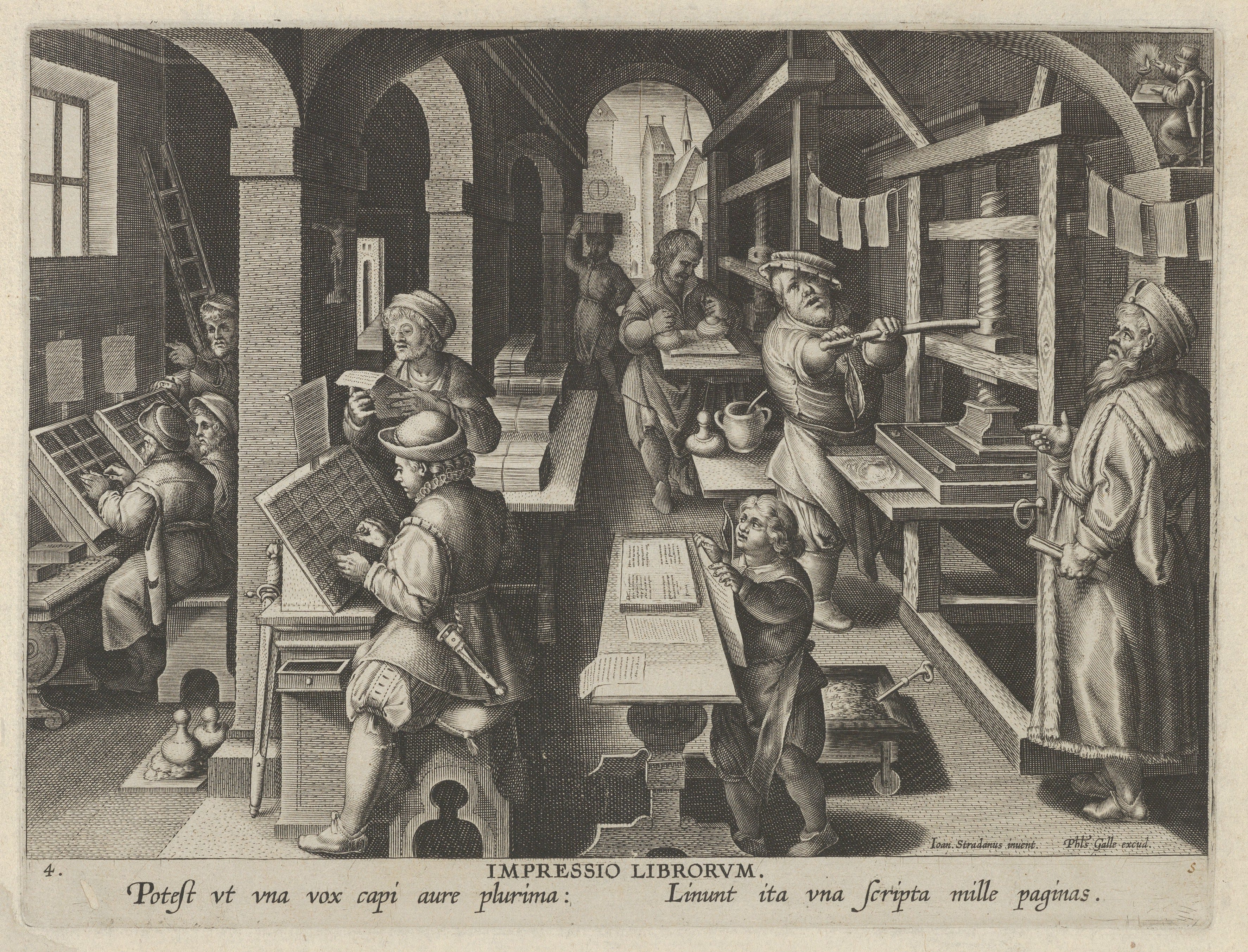
The first print edition of Works in Progress is out, with my inaugural history column. Here’s the opening:
In 1588, Galileo had not yet looked through a telescope. Microscopes, pendulum clocks, barometers, and steam pumps were decades away. Francis Bacon, a member of parliament still in his twenties, was only beginning his writing on science. Robert Boyle wouldn’t be born for another 39 years, Isaac Newton for another 55.
But a subtle shift in perspective was already taking place, heralding the ‘culture of growth’ that would blossom in the coming century. In intellectual circles, Europeans had begun to view their era not as a pale imitation of classical greatness but as a promising new world, blessed with discoveries and inventions the ancients never imagined. For all their brilliance, after all, Aristotle and Cicero knew nothing of the Americas – continents with as many and varied peoples, landscapes, flora, and fauna as Europe, Asia, or Africa. Nor did they enjoy the navigational tools that had made such discoveries possible.
In the late 1500s, in other words, Europeans started to imagine progress. ‘The first history to be written in terms of progress is [Giorgio] Vasari’s history of Renaissance art, The Lives of the Artists (1550)’, observes historian of science David Wootton. ‘It was quickly followed by Francesco Barozzi’s 1560 translation of Proclus’s commentary on the first book of Euclid, which presented the history of mathematics in terms of a series of inventions or discoveries’.
This was the environment in which two Florentines conceived Nova Reperta, whose Latin title is usually translated ‘new discoveries’. One of the earliest works promoting the new attitude – and definitely the most charming – the book is a collection of 19 engravings, each celebrating a discovery or process that was relatively new to Europeans. First published in 1588, Nova Reperta made the argument for progress by showing rather than telling.
Read the rest here. Subscribe to the WiP print edition here. It’s gorgeous!
My next two history columns will look at the early days of TV and the development of disposable diapers. I’m currently exploring a couple of ideas for the fourth entry.
Science YouTuber Hank Green read The Fabric of Civilization after being set upon by the cancel culture of online knitters. He loved it and we had a fun conversation on his show. It also sold at least 800 books in the first week—which is a lot! (It’s currently at 643K views.)
This morning I stumbled on this Reddit thread, which bemoans my appearance and condemns me as politically incorrect. (It also cites my skimpy and weird Wikipedia entry. I eagerly await the day that AI makes Wikipedia obsolete, since there’s no way to correct a bad entry.) A decidedly minority take judging from the comments on the YouTube video.
I also did a wide-ranging interview, pulling ideas from many of my books, with the entrepreneurship-oriented Double Win podcast, hosted by Joel J Miller’s wife Megan and her father Michael Hyatt.
The Cosmos Institute periodically puts together reading recommendations for “philosopher-builders” and I was honored to participate in its winter lineup, plugging a book I’ve been fairly obsessed with: David Wootten’s The Invention of Science (which got a mention in my Nova Reperta column). Check out the full lineup at the link below:

Jason Crawford and I discussed progress and glamour, jumping off from my Works in Progress essay in this Interintellect salon. If you’re looking for intellectual enrichment, check out their impressively varied lineup of upcoming events. One of their appealing offerings is Grant Mulligan’s monthly group working its way through The Odyssey. There’s one ticket left for tomorrow’s session!
A Glamorous Giveaway
I recently discovered three hardback copies of The Power of Glamour left over from an event in 2014. I can tell because they’re signed, with a note of the date and location but no recipient’s name. I would like to give them away to three Substack subscribers.
If you’re interested, please consider the following passages from the book and leave a comment sharing an anecdote or experience showing glamour at work in everyday life. It could be an example of glamour in your own life—what you yearned for, what sparked it, how it felt, etc.—or it could be something you’ve seen in others or in a fictional medium. Although comments can’t directly include images, I encourage commenters to link to images where relevant.
I will select two winners randomly and one based on the comment I like best.
As a psychological phenomenon and rhetorical tool, glamour is like humor. It is an imaginative experience in which communication and association create a recognizably consistent emotional response. With glamour the response is an enjoyable pang of projection, admiration, and longing.
From another section:
First, glamour is an illusion, a “deceitful feeling” or “magic light” that distorts perceptions. The illusion usually begins with a stylized image—visual or mental—of a person, an object, an event, or a setting. The image is not entirely false, but it is deceptive. Its allure is created by obscuring or ignoring some details while heightening others. That selection may reflect deliberate craft. Or it may happen unconsciously, when an audience notices appealing characteristics and ignores discordant elements. In either case, glamour requires the audience’s innocence or, more often, willing suspension of disbelief.
Second, glamour does not exist independently in the glamorous object—it is not a style, personal quality, or aesthetic feature—but emerges through the interaction between object and audience. Glamour is not something you possess but something you perceive, not something you have but something you feel. It is a subjective response to a stimulus. One may strive to construct a glamorous effect, but success depends on the perceiver’s receptive imagination.
“Everyday Abundance,” the podcast
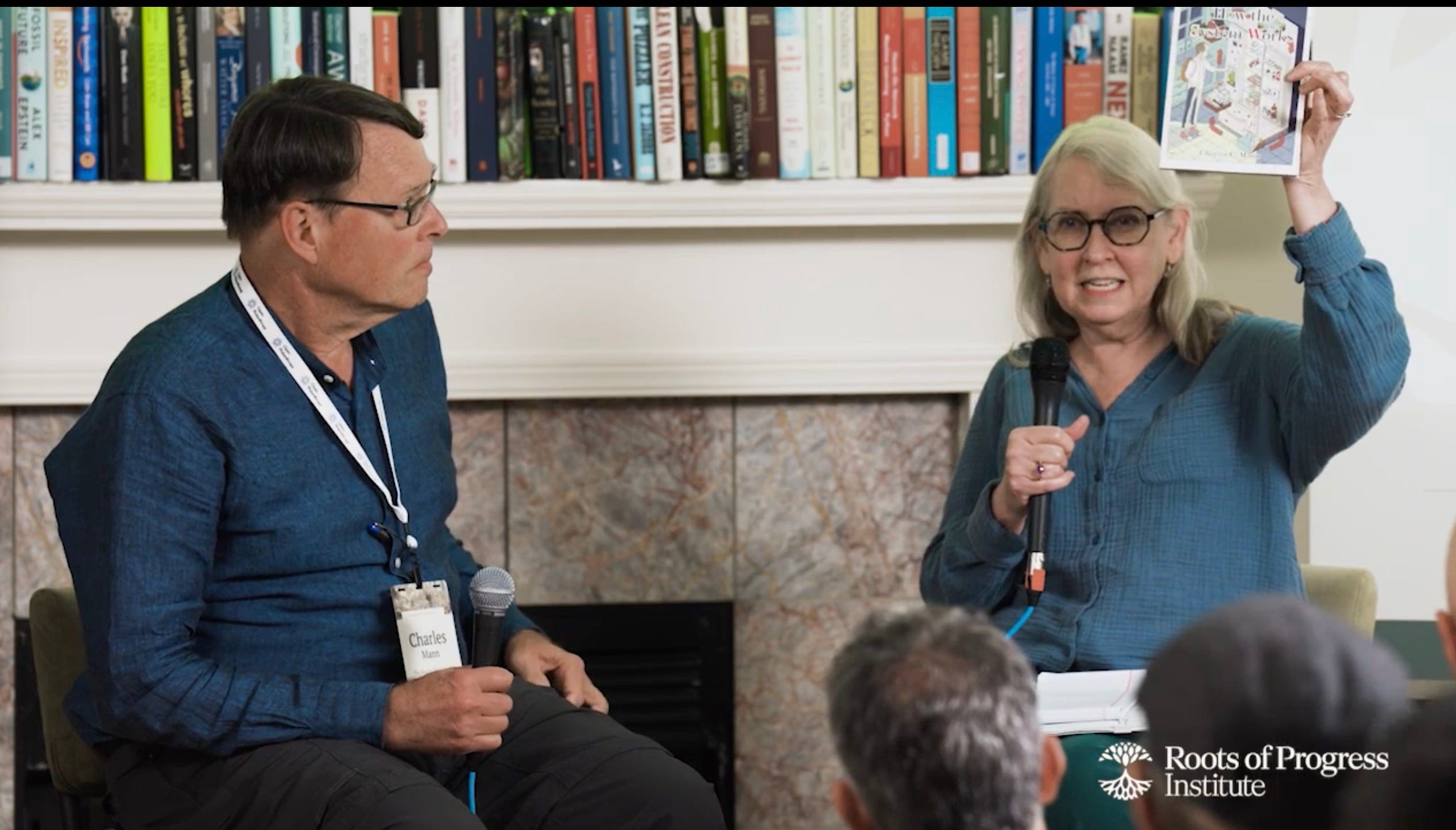
Thanks to support from the Abundance Institute, I’m delighted to announce that Charles Mann and I will soon begin recording the first season (eight episodes) of “Everyday Abundance,” a podcast exploring the hidden histories behind everyday activities and the technologies we don’t even know are technologies. Think “brushing your teeth,” “listening to music,” or, our favorite, “blowing your nose.” We expect to release the first series by early March.
Recommended Reading
How Working-Class People Talk About Uber Is Not How the Media Covers It by Abi Olvera. I’m a huge fan of Abi, who is a rising young talent and a collaborator in my effort to get mundane progress taken seriously in the progress and abundance movement.
Wilson vs. FDR: Who was worse for free speech? In response to one of my many plugs for Chris Cox’s book on Wilson someone pointed me to this debate between him and David Beito on FIRE’s “So to Speak” podcast (transcript here). Cox on Wilson:
I think he should be remembered most, because I’ve focused on this in my book, for the jailing of peaceful protestors who were urging him to support the Susan B. Anthony amendment at the same time he’s making speeches about democracy. These women were illegally arrested and jailed for trumped up charges of sidewalk obstruction when their only offense was silently displaying signs and banners that literally quoted Wilson’s own speech in favor of democracy. Their sentences were outrageously long for the supposed misdemeanor offense of sidewalk obstruction. Alice Paul got seven months, Lucy Burns got six months.
While they were in prison they were beaten up, some unconscious. Just unbelievable that this could happen for nothing more than pure speech. We can get into this more perhaps during the discussion, but Wilson had direct control over the jails, the police, and the prosecutors in the District of Columbia at that time because they didn’t have home rule. They were not elected leaders. Wilson ran it through a three-member commission. His appointees were journalist friends of his for many years. One of them had hired and trained Wilson’s brother Joe. So, we’ve got uniformed Navy men right outside the White House attacking suffragettes, ripping their banners, in many cases injuring the suffragettes, beating them up, dragging them through the streets and so on.
This is happening right in front of the White House. Wilson did nothing to stop it. In fact, he and his chief of staff, that was called the White House secretary in those days, authorized the arrest not of the mobs that attacked women, but of the women themselves who were silently holding these banners as, of course, they were legally entitled to do. The courts got around to sorting this out later, way too late, after all the punishment was inflicted, and after the government’s objective of stopping the speech was accomplished.
Funding outside the box: A Quick Q&A with … philanthropy expert Stuart Buck, Jim Pethokoukis’s interview offers good quick summary of some important ideas on science funding. For a deeper dive, see Stuart’s Palladium article, “The Case for Crazy Philanthropy.”
“Old School Civics,” part 1 and part 2, by my friend Jack Henneman, host of the “History of the Americans” podcast. These posts use a 1918 high school textbook to examine how people at the time thought about American citizenship. “How did our ancestors, in many cases people we or our parents knew, learn to be Americans?”
“The Value of Public Domain Day” by Eric Harbeson of Authors Alliance makes a compelling case for requiring a $100 fee and renewal application for the last 20 years of a copyright term. When such fees were required, very few authors applied for extensions, making “painfully clear how the present copyright terms are placing a staggering burden on the public’s right to a return on its investment in copyright.”
New Year’s Resolutions of the Past: Vices That Became Virtues by Louis Anslow of the delightful (and Abundance Institute-sponsored) Pessimists Archive looks at a shocking array of wholesome activities that were once considered bad habits, starting with reading in bed!
Thanks for your support and Happy New Year.
Love how the podcast concept turns mundane tech into conscious history. The Vasari connection in the Nova Reperta piece is clever too, showing progress narratives predate the Scientific Revolution itself. That shift from 'pale imitation of the classics' to 'we actually discovered new continents they knew nothing about' had to feel like such a flex for 16th century intellectuals. I've noticed similar framings when tracing early science popularization in the 1800s, where writers constantly remind readers 'even Newton didnt know this' as justification for why science deserves attention. The philanthrophy funding piece recommendation sounds critical right now given how much innovation capital is piling into conventional structures.
Thanks for the support, Virginia! Can't wait to hear the first podcast episode!